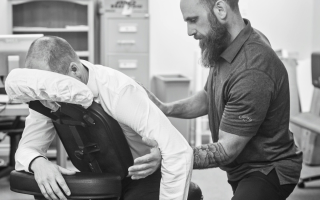
Finding the right massage

When people think about booking a massage, they often picture scrolling through a long list of names like Swedish, deep tissue, Thai, lymphatic drainage or sports. It can start to feel a bit like choosing from a takeaway menu, hoping the one you pick will somehow match what your body and mind need most.
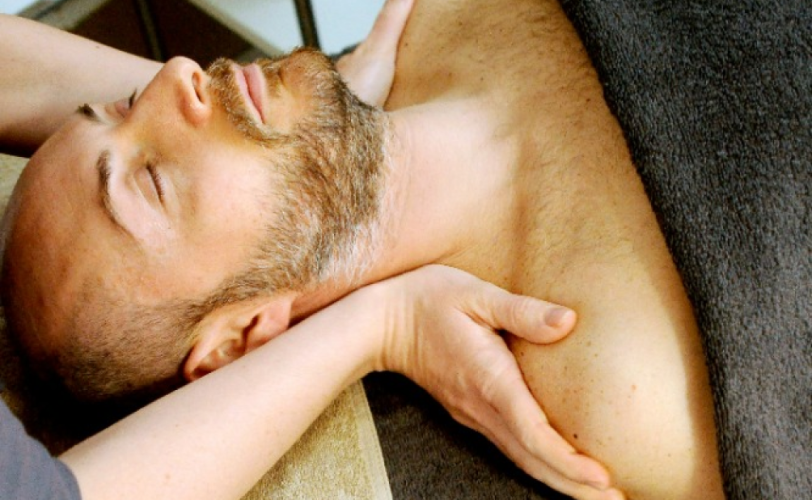
But massage is nothing like ordering a set meal. You’re not a standard body with standard problems. You’re a living, ever-changing mix of physical patterns, emotions, energy levels and stresses that shift from week to week, sometimes even from hour to hour. That’s why working with a therapist who knows how to blend different approaches and who invites you to share your story is often the best way to receive the care you truly need.
A quick look at familiar massage styles
When you see those names on a massage menu, they are really just starting points. Each style tends to have its own general focus.
- Swedish massage is known for long, flowing strokes that soothe and calm the nervous system.
- Deep tissue work moves slower and reaches deeper layers to help release stubborn knots.
- Lymphatic drainage uses very light, rhythmic movements to ease swelling and support your immune health.
- Sports massage often combines different techniques to help muscles recover after activity and keep you moving well.
Each approach has its benefits, but it can also be limited if used strictly on its own. The truth is that your body rarely fits neatly into just one of these categories. Different parts of you usually need different kinds of care.
Why sticking to one label doesn’t always work
Many people book a session by picking a familiar name from the list, then quietly feel disappointed when it doesn’t bring quite the relief or comfort they hoped for. This can happen because a purely deep tissue approach might feel too intense if your body is already stressed and inflamed. On the other hand, a standard Swedish routine may not reach the stubborn tension that is actually bothering you.
Massage is always most effective when it is personal. A good therapist looks beyond the label you selected online and sees you as a whole person. They’ll ask what brought you in, exploring not just your physical aches but also how you’re sleeping, what kind of stress you’re carrying, and whether there’s emotional heaviness or mental overload. They might even gently check in on whether you feel energetically drained or spiritually unsettled. This lets them create something that speaks to all of you, not just one muscle group.
Blending techniques to make a real difference
Most therapists do not work in rigid boxes of deep tissue or Swedish. In reality, your massage is often a gentle, seamless mix. A therapist might begin with light Swedish strokes to calm your nervous system, then shift to deeper pressure to encourage a stubborn knot to let go. They could bring in a few slow Thai-style stretches to open tight hips or lighter lymphatic movements on swollen feet. A slow hold at your scalp or the base of your head, similar to craniosacral work, might be just the thing to help settle racing thoughts.
Clients often leave saying it was exactly what they needed, even if they could not have named it beforehand. That is because a thoughtful therapist listens not just to your words but also to your tissues, your breath and the subtle signals your body sends. They adjust moment by moment, drawing on different techniques from various traditions to answer what your body is asking for right then.
Better outcomes when you go beyond the menu
When your massage is designed this way, you are much more likely to experience relief that truly lasts. It stops being about checking off a style and becomes about unwinding the real patterns your body is holding today. Blended, responsive approaches can ease physical pain more deeply, support gentle emotional release, clear mental fog and leave your energy feeling lighter and more balanced.
How to start this kind of conversation
If you are new to massage or simply want to get more out of it, try talking openly with your therapist before your session begins. Share what is going on for you at the moment. Include any aches or injuries, but also mention how you’ve been sleeping, your stress levels, emotional weight or if you feel worn out energetically. Point out areas you would like them to focus on or avoid. Some people prefer less time on their legs, more attention to their shoulders, or might want to skip belly work altogether.
Let your therapist know if you want gentle pressure, deep work, or a mix that shifts as your body responds. Most of all, let them know you are comfortable with them blending different techniques based on what they feel is needed, rather than sticking tightly to a single style. Many therapists love clients who bring this kind of openness and trust. It gives them the space to draw on all the training and intuition they have built up over the years and makes the session a collaboration that often feels more nurturing for you both.
Your massage, your needs, your moment
Choosing a massage does not have to be a rigid decision. Those menu names exist to start a conversation, not to box you in. The best sessions happen when you arrive just as you are, share what is really happening in your body and mind, and allow your therapist to weave together the skills that meet your needs in that moment.
Massage is never only physical. It often reaches into your emotional, mental, energetic and even spiritual spaces. This is why a flexible, personalised approach so often feels like it was exactly what you needed, even if you could not have put it into words beforehand. It is also why so many people walk away saying with gentle relief that it was just right.
Meet some of our holistic therapists
Experienced practitioners, supporting your wellbeing in mind, body and spirit.



Find the holistic therapist for you
All therapists are verified professionals