Oncology massage and reflexology: support for the cancer journey

A cancer diagnosis can feel like the ground has shifted beneath your feet. Between medical appointments, treatments, and emotional strain, it’s easy to feel overwhelmed. While medical care is the foundation of treatment, many people also explore complementary therapies to help ease discomfort and improve quality of life.

Some hospitals have a complementary therapy department where people who are going through cancer can have complementary treatments. The number of treatments is limited to a set number, usually 6.
Massage therapists will avoid any areas affected by cancer. It’s important to note: always seek permission from your oncologist or cancer care team before starting any complementary treatment. This ensures the therapy is safe for your specific condition and treatment plan.
You should only have a massage from a therapist who is trained and qualified to treat people with cancer. They should have some knowledge of cancer and its treatments. It is important to tell your therapist about the cancer and the treatment you are having. You will need to check that they are trained and experienced in working with people who have cancer.
During your touch therapy, it is important to avoid massaging certain areas.
This includes:
- areas that are directly over a tumour
- any lymph nodes (glands) affected by cancer
- open wounds, or areas that are bruised or sensitive
- areas being treated with radiotherapy, during treatment, and for a few weeks after it finishes
- the area around intravenous catheters (such as central lines) and pain relief patches
- areas affected by blood clots, poor circulation, or varicose veins.
It is also important to be particularly gentle if:
- the cancer has spread to your bones
- you have a low platelet count (platelets are cells that help the blood to clot)
If you bleed or bruise easily, or if you have cancer in your bones, speak to your cancer doctor or specialist nurse before having massage therapy. You will need to discuss this with your massage therapist before having a massage.
How is oncology massage different from a normal massage?
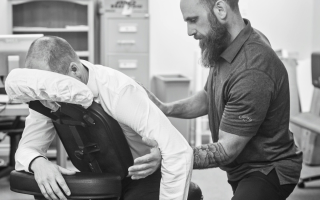
Oncology massage is a specialised form of massage therapy tailored for people living with cancer. Unlike traditional massage, it uses gentle, slow, and carefully adapted techniques to accommodate the effects of cancer and its treatments. Therapists trained in oncology massage understand how to work around surgical sites, radiation areas, ports, and sensitive skin, ensuring comfort and safety at every step.
Potential benefits of oncology massage
Some potential benefits of oncology massage may include:
Reduced pain and muscle tension
Gentle touch can help ease stiffness and discomfort from treatment or prolonged bed rest.
Improved sleep
Some people report deeper, more restful sleep after sessions.
Lower anxiety and stress
The calming environment and soothing touch can help quiet the mind.
Enhanced mood
Massage can stimulate the release of endorphins, the body’s natural “feel-good” chemicals.
How does reflexology practice in oncology differ from other forms of reflexology?
Reflexology is a complementary therapy based on the idea that certain points on the feet correspond to different organs and systems in the body. In reflexology, like oncology massage, the pressure applied is gentle to these points, aiming to promote relaxation, improve circulation, and support overall well-being.
Potential benefits of reflexology for people with cancer
Potential benefits of reflexology may include:
Deep relaxation
Many find it helps them feel calmer and more centred.
Reduced nausea
Some people may experience relief from treatment-related nausea.
Improved energy
Gentle stimulation may help reduce fatigue.
Emotional support
The quiet, nurturing environment can be a welcome break from the clinical setting.
Why permission from your oncologist is essential
While oncology massage and reflexology are generally safe when performed by trained professionals, cancer and its treatments can make the body more vulnerable. Factors such as low platelet counts, infection risk, bone fragility, or the presence of tumours may mean that certain techniques or body areas need to be avoided.
Your oncologist or specialist nurse can:
- Confirm whether these therapies are safe for you right now, and provide written permission.
- Provide advice on timing, for example, avoiding massage immediately after chemotherapy.
- Share any specific precautions with your therapist.
This collaboration between your medical team and complementary therapist ensures you receive the maximum benefit with minimal risk.
What to expect in a typical session
If your oncologist gives the go-ahead, here’s what you might experience:
Oncology massage
The therapist will use light, slow strokes, focusing on relaxation rather than deep tissue work. Sessions may be shorter than standard massages, often 30-45 minutes.
Reflexology
You’ll usually be seated or lying down while the therapist works on your feet. The pressure is gentle, and you can stop at any time if you feel discomfort.
Both therapies are designed to be nurturing, not taxing, offering a safe space to rest, breathe, and let go.
Finding a qualified therapist
Look for practitioners who:
- Have specific training in oncology massage or reflexology for cancer care.
- Are happy to liaise with your medical team.
- Understand infection control and safety protocols.
Cancer treatment is a journey that affects body, mind, and spirit. Oncology massage and reflexology are not cures for cancer, but they can offer moments of comfort, relief, and emotional balance along the way. With your oncologist’s approval and a skilled, compassionate therapist, these gentle therapies can become a valuable part of that journey.
References
Myint, W. et al. (2025). Effectiveness of massage therapy for cancer pain, quality of life and anxiety levels: A systematic review and meta-analysis. Journal of Clinical Nursing. Available at: https://onlinelibrary.wiley.com/doi/abs/10.1111/jocn.17547
Association of Reflexologists (AoR). Is reflexology safe during cancer treatment? Available at: https://www.aor.org.uk/features/is-reflexology-safe-during-cancer-treatment/
Cancer Research UK. A study looking at reflexology to manage lymphoedema after breast cancer treatment. Available at: https://www.cancerresearchuk.org/about-cancer/find-a-clinical-trial/a-study-looking-reflexology-manage-lymphoedema-after-breast-cancer-treatment

Find the holistic therapist for you
All therapists are verified professionals