How reflexology and massage can support neurodivergent people

For neurodivergent people – including autistic people, those with ADHD, dyslexia, dyspraxia, sensory processing differences, and other neurodevelopmental variations – therapies that help regulate the body and mind can be profoundly supportive. Massage and reflexology can offer profound validating support when practised adaptively.
Neurodivergent people often live their lives with chronic sensory overload, masking fatigue, anxiety and physical tension that traditional healthcare can sometimes overlook.
Reflexology and massage therapy can stand out as powerful, non-invasive methods that help promote balance, calm, and connection, not as "fixing" but as supporting the nervous systems that experience the world differently.
Reflexology and massage can activate the parasympathetic nervous system, promoting a “rest and digest” state that reduces the body’s response. This is particularly important for neurodivergent people who may experience periods of increased stress. A greater sense of calm can help some people feel more regulated emotionally.
What is reflexology?
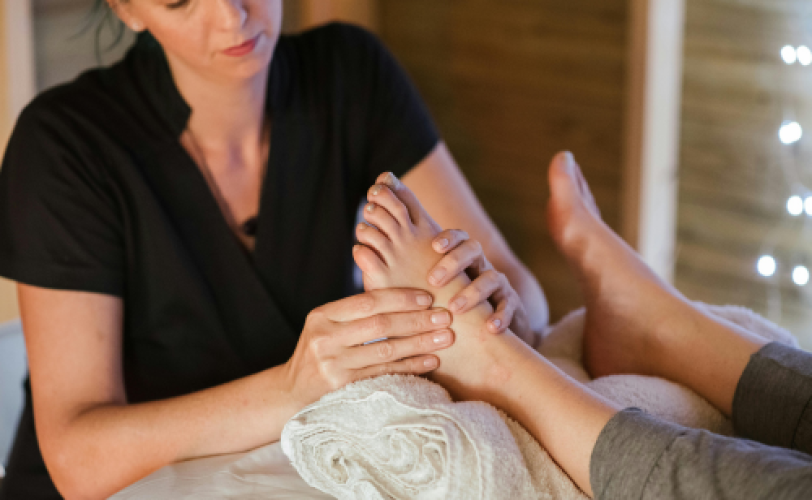
Reflexology is a gentle therapy based on the idea that specific points on the feet correspond to different organs and systems in the body. By applying mindful pressure to these points, practitioners aim to encourage energy flow, improve circulation, and stimulate the body’s natural healing processes.
For individuals who are neurodivergent, this type of focused, predictable touch can bring a soothing sense of structure and grounding, especially for those who experience sensory overload or difficulty with emotional regulation.
How massage therapy can help
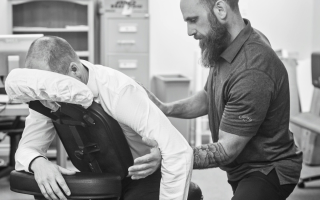
Massage therapy, in its many different forms, such as holistic, deep tissue, manual lymphatic drainage, abdominal or Thai yoga massage therapy, helps release muscle tension, improve circulation, and calm the nervous system. But beyond the physical benefits, it offers something more intangible yet vital: safe, nurturing human touch.
For neurodivergent people, massage can help:
- reduce anxiety and stress by lowering cortisol levels
- regulate the sensory system, particularly for those who have hypersensitivity (over-responsiveness) or hyposensitivity (under-responsiveness) to touch
- support body awareness, helping individuals better understand how their body feels in space
- improve sleep and focus through deep relaxation and nervous system regulation
The emotional and social benefits
For many who are neurodivergent, navigating daily life can mean constantly managing environmental stressors, social expectations, and sensory input. Reflexology and massage offer a time to pause. A structured, safe opportunity for rest and recalibration.
These therapies can also:
- encourage trust and positive connection with a therapist, supporting healthy relational experiences
- offer predictable, rhythmic patterns of touch that can reduce sensory defensiveness
- create a sense of empowerment and autonomy when clients collaborate on preferences (pressure, scents, lighting, and timing, etc.)
- become islands of calm, small, restorative sanctuaries for the nervous system and the physical body
- offer emotional release
- help with processing and release of stored stress or trauma without forced eye contact or conversation
- offer a sense of being supported without needing to explain or justify experiences
For many neurodivergent clients, this may be the first time they feel understood without translation.
Creating a neurodiversity-affirming experience
The key to successful reflexology or massage for neurodivergent individuals lies in personalisation. No two people experience touch the same way. A neurodiversity-affirming therapist will:
- ask about sensory preferences before beginning
- adjust lighting, sound, and texture of materials
- adjust pressure, whether firm or gentle touch, depending on comfort levels
- offer consistency in routine and communication style
- respect the person’s boundaries and consent throughout
When the therapy is individualised with compassion and understanding, the benefits can be deeply transformative. For some people, reflexology may feel more accessible than a full-body massage, as it allows focused input without full-body exposure.
As a neurodivergent therapist, I approach massage and reflexology not as "fixing" bodies or brains but as supporting the nervous systems that experience the world differently.
Reflexology and massage aren’t just about physical relaxation. They’re about helping neurodivergent individuals feel safe, grounded, and seen. They support the body’s innate intelligence, encouraging balance, relaxation, and connection in a way that honours neurodiversity rather than attempting to “fix” it.
Whether used as part of a holistic wellness plan or simply as a way to unwind, these therapies remind us that healing and harmony don’t always come from words; sometimes, they come from the simple power of touch and can offer profound validating support when practised adaptively, consensually and without pathologising.
Find the holistic therapist for you
All therapists are verified professionals