The Wheel of Consent: Safe, healing boundaries

Many people decide to try therapy or massage because something inside them feels tight, heavy, or just out of sorts. It might show up as stiff shoulders, a clenched jaw, or an uneasy feeling they can’t quite name. Often, there’s a quiet question underneath it all: Is it really OK for me to say what I want, or to stop something I don’t?

The Wheel of Consent is a simple way of understanding what feels good for you and what doesn’t. It was created by Dr. Betty Martin after years of working with people who found it hard to know or express what they actually wanted. Even though it’s sometimes taught in workshops about intimacy, the real heart of it is learning to trust your own sense of yes and no. This is helpful in all kinds of settings, from talking therapy to massage, or simply learning to feel more at ease in your own skin.
How the Wheel of Consent works
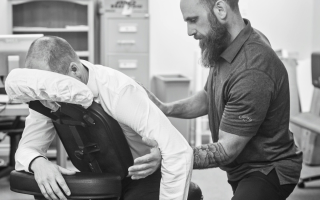
At its simplest, the Wheel of Consent invites you to pay attention to two things: who is doing, and who it is for. Imagine you’re getting a massage. The therapist is using their hands to ease tension in your back. They are doing it, and it’s for you. Now imagine you reach out to give someone a hug because it feels good for you to do it, even though technically you’re doing it to them. That’s you doing it for your own comfort. Sometimes we allow someone to do something that’s mostly for them, or we receive when someone does something entirely for us. The important part is starting to notice the difference.
This might sound like splitting hairs, but many of us grew up putting other people’s comfort first. Maybe we learned to go along with things so we wouldn’t cause a fuss. Or we felt guilty saying no, even to small requests. Over time, it becomes hard to know what we actually want. We override the small signs from our body that say not quite or please more. The Wheel of Consent helps us untangle this. It gives us a way to notice if we’re genuinely agreeing to something or just going along out of habit.
Why it matters so much in therapy and bodywork
This is especially important when it comes to therapy, massage, or any kind of hands-on work. Your body carries memories and feelings, even if you don’t think about them much. Being touched can bring up all sorts of things. It can feel wonderful, but it might also stir emotions or remind you of times when your choices weren’t respected. That’s why it matters so much that a therapist or practitioner knows how to create a truly safe space. They want you to feel like you can say yes when you mean yes, and no when you mean no.
This idea is at the core of trauma-informed care, even if the person you’re seeing never mentions the Wheel of Consent by name. They might simply ask if you’d like them to work on a certain area today. They’ll pay close attention to your comfort, not just physically, but emotionally too. A good therapist or massage practitioner knows that your body language matters as much as your words. They’ll notice if you tense up or hold your breath and will pause to check in with you. This is how trust is built.
How does it support work on sensitive or vulnerable areas?
If you’re new to massage or bodywork, it’s perfectly normal to feel unsure. You might be a little nervous about having someone work on your body, especially if it involves areas that feel private or tender. Maybe you’re considering a buccal massage that works inside the mouth to help release jaw tension, or lymphatic drainage that involves gentle work near your chest or underarms. Perhaps you’ve heard about working around the glutes or the lower back near the sacrum to help with tight hips and spine issues. All of these can be incredibly helpful, but they can also feel vulnerable.
The Wheel of Consent is what makes these treatments truly supportive. It’s the difference between simply letting something happen and actively choosing it because it feels right for you. A skilled therapist will never push you. They’ll move slowly, explain what they’re doing, and always give you the choice to continue, pause, or skip that area altogether. They know that your comfort matters more than any technique.
Why does this work help emotional healing, too?
Even beyond physical sessions, learning to notice your own yes and no is powerful emotional healing. Many of us are so used to overriding small discomforts that we barely feel them anymore. We say yes out of habit. We smile and go along even when we’d rather not. The Wheel of Consent invites you to start paying attention to these little moments. It helps you realise that it’s okay to check in with yourself, to discover what truly feels good, and to speak up about what doesn’t.
Over time, this can change the way you move through your whole life. Saying yes becomes easier because it’s real. Saying no carries less guilt because it’s simply honest. You start to trust your own body more, knowing it will give you signals if something feels off or if something lights you up with joy.
A gentle way to start exploring your choices
All of this might sound like a big promise for such a simple idea. But again and again, people find that tuning into their own comfort and choice brings relief they didn’t know was possible. It might show up as finally relaxing into a massage without holding your breath. It might mean noticing that your jaw unclenches when you’re with someone who truly listens. It might be the deep exhale that comes from knowing you don’t have to do anything just to keep someone else happy.
If you decide to explore therapy, massage, or any kind of bodywork, you don’t have to start big. A caring practitioner will help you begin slowly. You might keep sessions short or focus only on areas that feel completely safe, letting your comfort grow at your own pace. These small choices are actually the heart of consent. Each one tells your body you’re paying attention. You’re here together, making sure it feels OK.
A kinder relationship with yourself
At its heart, the Wheel of Consent is simply about honouring what feels right for you. It helps you build a more caring relationship with your body and clearer connections with the people who support you. Whether you’re easing muscle knots, exploring old emotional patterns, or just wanting to feel a little more at home inside yourself, learning your yes and no is a gentle way to begin.
If you’d like support with this, many holistic therapists, massage practitioners and trauma-aware professionals understand these ideas deeply, even if they don’t name them outright. They create respectful spaces where you’re invited to explore at your own pace, knowing your needs and comfort come first. That’s often where the real healing begins.
Sources:
- The Council for Manual Therapies: UK-based organisations like the GCMT explain that true informed consent means the client understands the treatment, retains choices, and isn’t pressured. Consent must be continuously checked and revisited as a process.
Meet some of our holistic therapists
Experienced practitioners, supporting your wellbeing in mind, body and spirit.



Find the holistic therapist for you
All therapists are verified professionals