
Why plantar fasciitis doesn’t always settle – and what can help

Heel pain can be incredibly frustrating. For many people, it starts as a mild discomfort first thing in the morning – a sharp pain under the heel that eases slightly as you move around. But over time, it can become more persistent, affecting walking, exercise, and even day-to-day life.
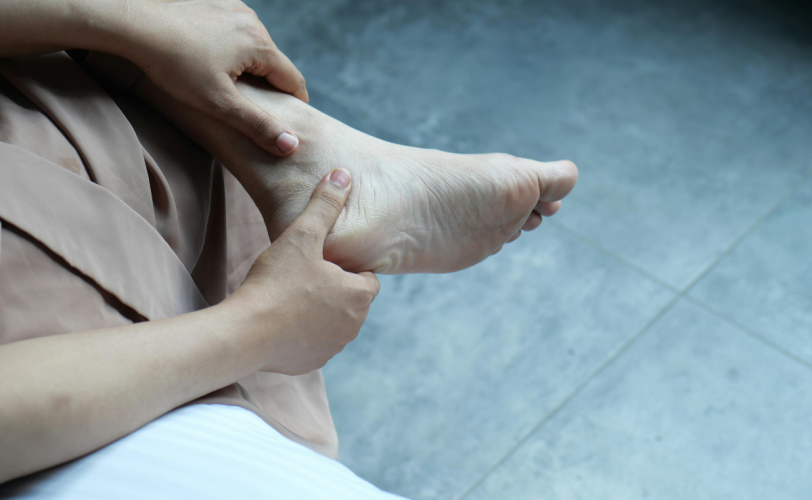
A common cause of this type of pain is plantar fasciitis. While some cases settle with rest and simple treatment, others can linger for months. If you’ve been dealing with heel pain that just won’t go away, you’re certainly not alone.
What is plantar fasciitis?
Plantar fasciitis involves irritation of the plantar fascia, a thick band of tissue that runs along the bottom of your foot and supports the arch.
When this tissue becomes overloaded, small areas of degeneration can develop, leading to pain and stiffness, particularly:
- first thing in the morning
- after periods of rest
- during or after walking and activity
Although it’s often described as inflammation, many long-standing cases are more about tissue overload and reduced healing capacity rather than true inflammation.
Why does it sometimes become persistent?
In many cases, plantar fasciitis improves with:
- rest or activity modification
- stretching exercises
- footwear changes
However, some people find that despite doing “all the right things”, their symptoms continue. This is often because the condition has moved beyond an acute phase and into a more persistent stage, where the tissue needs a stronger stimulus to help it recover.
Other contributing factors can include:
- sudden increases in activity or training
- poor load management over time
- reduced strength in the foot and calf
- biomechanical factors, such as walking or running patterns
When these factors combine, the body may struggle to fully resolve the issue without more targeted intervention.
What helps when it won’t settle?
When plantar fasciitis becomes persistent, treatment usually needs to go beyond rest alone.
A combination of approaches is often most effective, including:
Load management
Reducing aggravating activities temporarily while maintaining appropriate movement is key. Complete rest is rarely the answer, but neither is pushing through pain.
Targeted strengthening
Exercises focused on the calf and foot can help improve the tissue’s ability to tolerate load over time.
Addressing contributing factors
This may include footwear advice, movement patterns, or activity progression.
Manual therapy and hands-on treatment
In some cases, hands-on techniques can help reduce pain and improve movement.
For many people, this combination is enough to gradually improve symptoms. However, when progress is slow or has plateaued, additional treatment options may be considered.
Where does shockwave therapy fit in?
Shockwave therapy is a treatment that is often used for persistent tendon and soft tissue conditions, including long-standing plantar fasciitis. It works by delivering controlled pulses of energy into the affected tissue.
This is thought to:
- stimulate the body’s natural healing response
- improve blood flow to the area
- help reduce pain over time
Rather than masking symptoms, the aim is to encourage the tissue to recover more effectively. Shockwave therapy is typically used alongside a structured rehabilitation plan, rather than as a standalone treatment.
Who might benefit from shockwave therapy?
Shockwave therapy is often considered for people who:
- have had heel pain for several months
- have tried other treatments without lasting success
- continue to experience pain that affects daily life or activity
It is not always the first step, but it can be a valuable option when symptoms are persistent and not improving.
What should you expect from treatment?
If shockwave therapy is recommended, it is usually delivered over a short course of sessions. Treatment is quick, and while it can feel slightly uncomfortable, most people tolerate it well. You might begin to notice gradual improvements over the following weeks as the tissue responds.
It’s important to remember that recovery is still a process. The most successful outcomes tend to come from combining treatment with the right exercises and activity management.
The importance of the right approach
One of the biggest frustrations with plantar fasciitis is how long it can take to settle. What often makes the difference is not just one treatment, but the right combination at the right time. Understanding where you are in your recovery, whether it’s an early-stage irritation or a more persistent issue, helps guide the most appropriate treatment approach.
Heel pain can be stubborn, but it is very treatable. If your symptoms haven’t settled with the usual approaches, it may simply mean that your body needs a different type of input to move things forward. The key is finding an approach that supports recovery while allowing you to stay as active as possible.

Find the holistic therapist for you
All therapists are verified professionals