
Tantra: Breath, movement and rituals

When people hear the word 'Tantra', it’s almost automatic to think of sex. That’s understandable. It’s how most magazines and movies portray it. But in truth, Tantra is so much more.
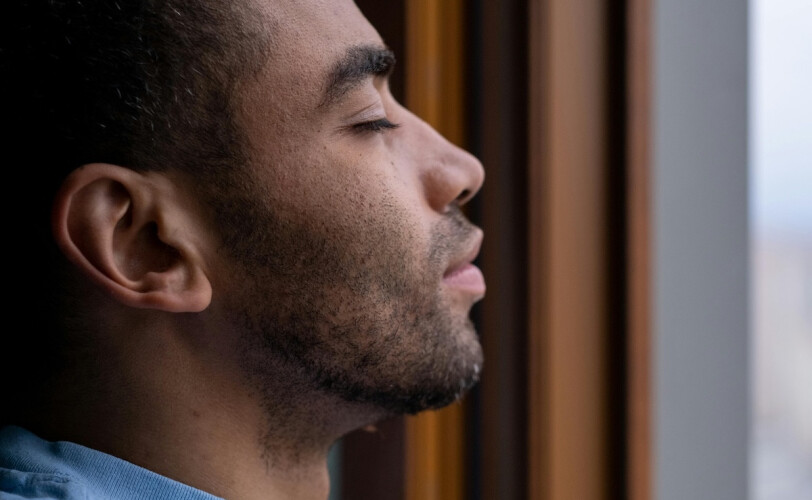
At its heart, it’s an invitation to come home to yourself. To your breath. Your body. Your tender heart. It’s a way of paying attention, of letting life touch you fully, even the messy parts, so you can find a deeper sense of calm and wholeness.
Why does stress linger in our bodies?
Have you ever noticed how your shoulders creep up toward your ears when you’re tense? Or how your belly tightens when something worries you? Our bodies are incredibly wise. They hold on to experiences, sometimes long after our minds think we’ve moved on. Little by little, these stored-up moments of stress can weigh us down, leaving us feeling disconnected, restless, or simply not quite at ease.
Tantra gently reminds us that we’re not just floating heads. We’re beautifully intricate beings, thoughts, emotions, muscles, breath, all woven together. When we tend to the places inside us that feel tight or guarded, we open the door to true emotional healing.
Simple Tantra-inspired practices to soften and release
The comforting thing is you don’t need special tools or hours of spare time. You can begin right where you are, with small, gentle steps.
1. A few conscious breaths
Your breath is always there, quietly keeping you alive. Paying attention to it is one of the simplest ways to invite ease into your body. You might inhale slowly through your nose to a count of four, pause for another soft count, then exhale gently through your mouth for six, letting your shoulders drop just a little.
Do this a handful of times. Notice how your chest and belly move. Even if it doesn’t feel dramatically different, trust that something subtle is unwinding.
Is this just breath work, or is it Tantra?
It’s a fair question. Breathwork is simply shaping your breath on purpose, slowing it, deepening it, using it to calm or energise yourself. Tantra, on the other hand, is a much broader way of living. It weaves together breath, gentle movement, sound, small rituals, and even the way you relate to your own thoughts and emotions.
So when you explore conscious breathing, you’re using one of Tantra’s oldest tools. Whether you keep it there or let it grow into something deeper is completely up to you.
2. A gentle breath into your pelvic floor
If you’d like to explore your breath a little further, you can try softly directing it down toward your pelvic floor, the hammock of muscles at the base of your pelvis, sometimes called the PC muscles.
This area often holds tension we don’t even realise, especially if we spend long hours sitting or carry stress. Softening here can be surprisingly releasing, both physically and emotionally.
Sit or lie down somewhere you feel supported. Let your belly be easy. As you inhale, imagine the breath travelling all the way into your lower belly and gently expanding toward your pelvic floor. You might picture the area widening like a flower opening. As you exhale, feel everything naturally gather back in.
There’s no need to force anything or squeeze. It’s more about sensing a subtle wave of expansion and return. Over time, this simple awareness can bring a wonderful sense of openness right at the base of your body.
3. Shake it out and make a little sound
Tension often hides in stillness. Moving helps it slip free. You might simply stand up, give your hands a gentle shake, let your knees bounce, or sigh or hum as you do. It might feel awkward at first. That’s perfectly OK. Notice if you feel even a tiny bit lighter afterwards, or if there’s a warm tingle somewhere new.
4. Turn small moments into tiny rituals
Tantra places a lot of love on ritual, but that doesn’t mean it needs to be elaborate. You might light a candle when you start or end your day. Hold your mug with both hands and really feel its warmth. Pause before checking your phone and take one slow breath. These small rituals whisper to your nervous system that you’re safe and it’s OK to let go.
5. Rest a hand on your heart
Our hearts often carry the stories we haven’t fully told. Sometimes they simply need gentle company. You could sit or lie down and place a hand over your heart. Breathe naturally. Feel the rise and fall beneath your palm. If it feels right, quietly say to yourself, I’m here. It’s OK to feel whatever comes. It’s such a simple act, but it can be surprisingly comforting.
6. Go gently, at your own pace
Healing isn’t something to rush. Some days, you might breathe and feel a little space open up. Other days, you might just feel tired or distracted. That’s human. If anything ever feels like too much, if old memories or strong emotions come up, pause. Feel your feet on the floor. Take a slow breath. You can always reach out to someone you trust, whether that’s a friend, a therapist, or a holistic practitioner who understands how emotions live in the body.
Finding your way back to yourself
In the end, Tantra is simply an invitation to be here, fully, with all your hopes, hurts, laughter, and tears. To meet yourself exactly as you are, without trying to fix or force anything. Breath by breath, small ritual by small ritual, you may start to notice more softness, more space, more moments that feel like home inside your own skin.
Some people also explore Tantra as a way to bring more presence and connection into intimacy. But you never have to start there. Tantra is just as powerful when it’s simply you, your breath, and your tender heart.
Maybe today, you just try one gentle breath. That alone is enough.
Looking for more support?
A complementary therapist trained in breathwork, massage, or energy healing can gently guide you in reconnecting to your body. Many practitioners also work in a trauma-informed way, creating a safe, respectful space where you can explore your feelings and sensations without fear of judgment or pressure.
If you’d like someone to walk alongside you, you can explore local, trusted practitioners on Therapy Directory who understand the importance of safety, consent, and going at your own pace.
Meet some of our holistic therapists
Experienced practitioners, supporting your wellbeing in mind, body and spirit.



Find the holistic therapist for you
All therapists are verified professionals


