
Vinyasa yoga for beginners: What to expect

Vinyasa yoga is one of the most popular styles of yoga, known for its fluid movements and breath-synchronised sequences. Whether you're a complete beginner or transitioning from another yoga style, understanding what to expect can help you feel more confident and prepared for your first class. This guide will walk you through the essentials of Vinyasa yoga, including key poses, tips for beginners, and how to make the most of your practice.
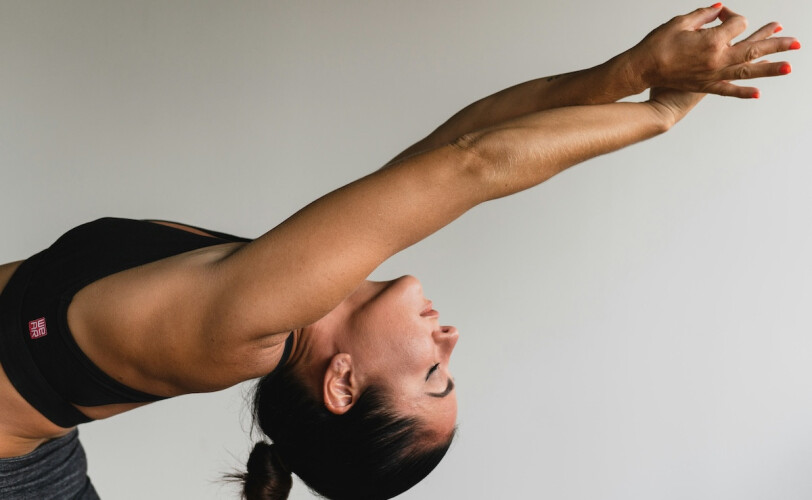
What is Vinyasa yoga?
Vinyasa yoga, often referred to as ‘flow yoga’, is structured around smooth continuous movement rather than fixed forms. This style requires heightened concentration as you transition through a multitude of positions.
Controlled breathing is used in Vinyasa classes to assist in the transitions between different postures. The inhales and exhales help merge the movements. Breathing rhythmically facilitates moving in and out of arrangements seamlessly and allows us to string all the positions together (like we are performing a dance sequence).
Vinyasa, originating from Sanskrit, means "to place in a special way." Hence, in a class, the focus is on intentional, fluid movement. This yoga discipline strengthens the body, enhances flexibility, and improves cardiovascular fitness. It’s an energetic and mindful practice that provides a calming effect - transformative for individuals experiencing stress or anxiety.
The dynamic nature of Vinyasa yoga may feel challenging at first, especially for individuals used to Hatha yoga - a more gentle and meditative practice that uses static postures. If you have grown accustomed to slower-paced yoga in which the teacher explains each movement before it’s performed, Vinyasa may take a couple of sessions to get used to. But don’t let Vinyasa's fast-moving nature intimidate you. As the saying goes, "Practice makes perfect." After several sessions, you may find you want to go even faster and try Rocket Vinyasa (many people thrive on an energetic practice)!
What to expect in a Vinyasa yoga class
In a Vinyasa yoga class, the instructor will guide you through by talking throughout, telling you what position to get into next. If you lose concentration, simply refocus back on the instructor’s guidance rather than gazing around the room to see what everybody else is doing - when in doubt, follow the leader.
For those eager for extra guidance, it may be worthwhile arriving 10 minutes before the class to chat with your teacher. Let them know you’re a beginner and they will likely explain the postures in simpler terms during the class to help you.
Vinyasa classes ease you in and build up to the more physically demanding poses as the session advances. The warm-up will likely involve standing poses and your awareness being brought to the sensations in your body. Additionally, at the beginning of the class, the teacher may ask you to ponder how you are feeling mentally. This is the time when we are most likely to be ‘in our heads’ finding our minds worrying about the work we need to get done and the food we want to buy for dinner. Mental chatter is OK!
Gradually, as the class progresses and increases in intensity, you will find your mind becomes more centred on the present moment. Some Vinyassa teachers may play music to keep us aware and feeling motivated. As the session progresses, the teacher will get you to do backbends, inversions, twists, and hip openers before initiating the winding down process. Most classes commonly finish with savasana (corpse pose). This is your time to truly relax and let go. Some people put on a jumper or grab a blanket (often provided by yoga teachers) as savasana cools their bodies down. Whilst the goal of savasana is to find peace, it’s important to remain awake. Staying conscious and aware of the present moment is the objective.
Vinyasa yoga is physically demanding, especially in comparison to many other yoga styles. Be prepared to break out in a sweat. It’s advisable to wear clothes that hug your body, excess fabric can be restrictive whilst practicing any type of yoga. Also, yoga is done barefoot so be ready to take off your shoes and socks. If you have long hair, tie it back and clip back any stray strands that fall in your face before the session begins. You want to avoid pausing to sort out your hair once you have started the class as it will disrupt your flow. Of course, if you need a break or find certain positions painful, it’s important to stop and interrupt your flow. Always listen to your body.
Going into a Vinyasa class with a load of strangers is a daunting prospect and feeling nervous is normal. As human beings we are wired to experience fear when we feel under threat, and social embarrassment can trigger the brain’s amygdala (the threat detector). However, we must remind ourselves that we are not in any real danger. It’s also good to remind yourself that people attend yoga classes to look after their bodies and minds, not to judge others. Yoga classes are safe environments to be a beginner and to make mistakes.
Beginner-friendly poses in Vinyasa yoga
You don’t have to research Vinyasa yoga before attending your first class, but if you need a confidence booster, familiarising yourself with some of the vocabulary is a good idea. Common Vinyasa yoga terms (if you look them up on Pinterest you will find various visual demonstrations):
- Vinyasa (a transition sequence)
- Downward dog
- Cat-cow pose
- Cobra pose
- Child’s pose
- Plank pose
- Chair pose
- Triangle pose
- Warrior one
- Savasana (corpse pose)
Don’t panic if you don’t have time to research these terms or if you find the online explanations more confusing than enlightening. Teachers are there to teach! They are the experts, and they expect you to come in with questions and imperfections. Yoga is a practice for the mind and body, it’s not about looking good or being perfect. The person practicing next to you may look confident but be panicking mentally. Comparing yourself to everybody else will only steal your joy and sense of peace - stay in your own lane.
Your experience of a Vinyasa class will differ depending on the teacher, environment, and your mood! Keep an open mind and try a few different Vinyasa classes before concluding it’s not for you. Be gentle with yourself, and know that the more you attend Vinyasa classes, the more seamlessly you will settle in and feel ready to relax.
If you enjoy a Vinyasa class and feel inspired, let your teacher know how much you liked it. Perhaps you appreciated the music, ambiance, or the teacher’s gentle nature. The attention to detail can have a profound effect on us and make the class feel friendly and safe. Yoga instructors are commonly passionate about their work and go the extra mile hoping to make people feel good, so it’s always nice to return the favour. What better way to finish a yoga class than by sharing the love?
Ready to step onto the mat? Find a yoga practitioner near you and start flowing today.

Find the holistic therapist for you
All therapists are verified professionals


