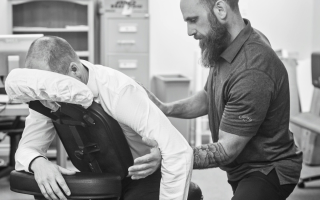
Massage & reflexology for menopause

Menopause is a natural transition in a woman’s life, but that doesn’t mean it’s easy. Hot flushes, mood swings, sleep disturbances, fatigue, and joint pain are just a few of the symptoms that can disrupt daily life during this hormonal shift. While many women turn to hormone replacement therapy (HRT) and supplements, there's growing interest in holistic and non-invasive approaches like massage therapy and reflexology to support the body in this transition.

So, how can these therapies help? Let’s dive into the science and essence of how a healing touch can provide relief during menopause.
What is massage therapy?
Massage therapy involves the manipulation of soft tissues — muscles, tendons, and ligaments. It helps to relieve tension, improve circulation, and lymphatic flow. It also helps to promote relaxation. When the body is relaxed, it is better able to fight infection, and inflammation is reduced. It’s not just a luxury; it's a powerful form of self-care with measurable benefits.
What is reflexology?
Reflexology is a therapeutic practice that applies pressure to specific points on the feet, hands, and ears that correspond to different organs and systems in the body. It's based on the principle that stimulating these reflex points can restore balance and promote healing.
Top benefits of massage and reflexology for menopause
1. Reduces stress and anxiety
Hormonal changes during menopause can lead to increased cortisol levels (the stress hormone). Both massage and reflexology activate the parasympathetic nervous system, helping the body shift from “fight or flight” to “rest and digest,” easing stress and emotional tension.
Reflexology on points related to the adrenal glands and the nervous system can further help regulate the stress response.
2. Improves sleep quality
Insomnia and disrupted sleep are common menopause complaints. Massage therapy promotes the release of serotonin and melatonin — key hormones involved in sleep regulation. Reflexology can also target points associated with the pineal gland and brain, which play a role in sleep cycles.
3. Eases hot flushes and night sweats
While massage doesn’t stop hot flushes directly, it can help reduce their frequency and intensity by regulating the autonomic nervous system and calming internal inflammation.
In reflexology, pressure points corresponding to the hypothalamus and pituitary gland (which regulate hormones) may help in balancing temperature fluctuations.
4. Relieves joint and muscle pain
With declining estrogen, joint stiffness and body aches become more common. Massage therapy boosts circulation and stimulates lymphatic flow, which reduces inflammation and improves flexibility.
Reflexology can also target areas that correspond to the spine, hips, and knees to support joint health.
5. Supports hormonal balance
Reflexology is believed to stimulate the endocrine system, encouraging the body to naturally regulate hormone production. While it’s not a replacement for medical treatment, many women report feeling more “balanced” emotionally and physically.
6. Enhances mood and emotional well-being
Mood swings, irritability, and even depression can be part of menopause. Massage stimulates the release of dopamine and endorphins — feel-good chemicals that boost mood. Reflexology sessions also create a calming ritual that promotes emotional resilience.
Tips for getting started
Choose a qualified therapist
Look for licensed massage therapists or certified reflexologists with experience in women’s health.
Be consistent
Regular sessions — weekly or bimonthly — can lead to better results than occasional treatments.
Listen to your body
Communication is key. Let your therapist know how you feel during and after sessions.
Complement with lifestyle
Massage and reflexology work best alongside other healthy habits like balanced nutrition, breathwork, meditation, and mindfulness.
Exercise
It doesn't have to be strenuous exercise - a walk in nature can help move your body and give you a vital dose of Vitamin D. Resistance exercise is advised for women to help improve bone density, which is affected by reduced levels of estrogen in the body.
Sleep optimisation
Create a cool, dark sleep environment and go to bed and get up each day at around the same time if you can.
Final thoughts
Menopause is a journey — not a problem to be fixed, but a transition to be supported. Massage and reflexology, and the above suggestions, offer natural, nurturing ways to cope with the changes in your body and mind. By taking time for yourself and embracing healing touch, you can move through menopause with more comfort, calm, and confidence.
Find the holistic therapist for you
All therapists are verified professionals