Reflexology seeks to encourage healing in the body, mind, and spirit by applying gentle pressure to specific areas of the feet (and sometimes the hands, ears, and face).
It is based on the belief that certain areas of our feet – known as 'reflexes' – correspond with other areas of the body via the nervous system. This stems from zone therapy, a practice that suggests that these pressure points are connected to our internal organs and body systems. Reflexologists aim to apply pressure to these specific areas to unblock energy pathways.
The arrangement of these reflex points correlates with the area of the body they affect. For example:
- The right side of the foot is linked to the right side of the body.
- The tips of the toes correspond to the head.
- The arch of the foot relates to the liver, pancreas and kidneys.
- The heel is associated with the lower back and intestines.
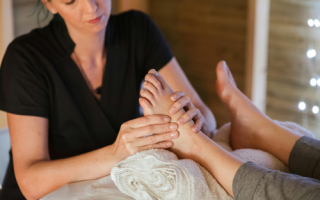
In a reflexology therapy session, a reflexologist applies firm but gentle pressure to specific reflexes linked to areas of the body where an individual might be experiencing tension. The aim is to stimulate energy flow and send signals around the body to help it heal.
How does reflexology work?
As with many other energy healing practices, such as Reiki and acupuncture, some evidence suggests that reflexology can help restore balance to the body. This means that reflexologists will consider emotional as well as physical factors that might be affecting a person's well-being.
Reflexology works on the premise that when we experience pain, discomfort, or a shift in our mental health, it is a sign that our energy pathways may be blocked. To unblock this stuck energy, reflexologists apply pressure to specific points on the feet, hands, and ears. Some people suggest that this allows healing energy to flow through targeted areas of the body.
Reflexologists don’t claim to prescribe, diagnose or cure conditions. They aim to offer a tailored, complementary means of healing to address each individual’s specific needs.
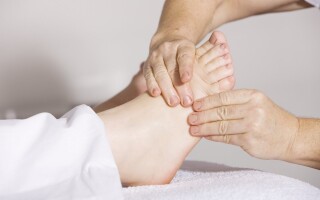
Reflexologists use their fingers and thumbs to apply point-specific pressure to areas informed by a reflexology map, soothing the corresponding internal areas. The treatment is usually performed without oils or lotions, differing from traditional massage.
In this video, Reflexologist Louis Oliver-Brooke (BA (Hons), HDipCT (VTCT), HCertSAL (VTCT), MFHT) explains how reflexology works and what you can expect in a session.
What is reflexology good for?
Reflexology is a popular and versatile complementary therapy. It is thought to have a number of benefits, including:
- Reducing stress and anxiety. Reflexology can help manage the negative effects of stress and anxiety by stimulating the parasympathetic nervous system, which promotes relaxation.
- Soothing tired feet. The techniques and special hand movements used can help to ease aches and tension in the feet.
- Reducing pain. Some people feel that reflexology can support pain management by shifting how they perceive pain.
- Improving circulation. Reflexology is thought to help break down deposits in the bloodstream, which can affect circulation.
- Enhancing overall well-being. Many people use reflexology regularly to support a healthy mind and body.
Modern life is increasingly demanding. Reflexology can help to relieve daily stress and maintain good health and well-being. Many people also find reflexology helpful in reducing the symptoms associated with stress-related ailments, including:
- Tension headaches. As the toes correlate to the nerve endings of the head, applying strokes by the big toe is thought to help relieve headaches. Pressure around the toes helps ease tension in the head, neck, shoulders and spine, which can contribute to headaches.
- Arthritis. Reflexologists may work on the correlating points on the hands/feet to help manage arthritis pain.
- Digestive disorders, such as constipation. Reflex points for the digestive system are located on the plantar (bottom) surface of the feet. Reflexologists will focus on these areas to relieve digestive discomfort and ease stress.
- Insomnia. Thumb and finger movements over certain reflexes help target hormonal imbalances that can disrupt sleep. What's more, the relaxing nature of reflexology can help individuals switch off, leading to better quality rest.
- Menstrual problems. Many people find the therapy useful for addressing common menstrual problems. These include severe pain, irregular cycles and general discomfort.
- Back pain. Pressure on certain reflex points (depending on whether the pain is in the upper, middle, or lower back) is thought to alleviate nerve problems that can cause back pain.
Reflexology can also help boost emotional well-being for many people undergoing intensive medical treatment, including post-operatively and in palliative care.
According to Cancer Research UK, reflexology is one of the most common complementary therapies among cancer patients. While it does not cure or treat cancer, it can be helpful for relaxation and alleviating anxiety. Many people say they feel better able to cope with their diagnosis after reflexology therapy. Some people also say that reflexology can help individuals with fatigue and nausea associated with cancer treatment.
Remember that reflexology is a complementary therapy and so should be used alongside conventional medical care, rather than as a replacement. It's important to consult your doctor first if you are experiencing any of the above ailments.
Reflexology is generally safe, but if you have blood clots, foot fractures, foot ulcers, open wounds, fungal conditions or a low platelet count (easily bruised), you should consult a doctor before your first reflexology session.
What to expect from a reflexology treatment
A typical reflexology session lasts around 45 minutes to an hour and starts with a consultation about your health and lifestyle.
As Reflexologist Georgia Ropek explains, “a professional initial consultation typically includes a comprehensive health and lifestyle assessment. This allows us not only to identify potential stressors and contributing factors, but also to tailor each reflexology treatment to your individual needs.”
You will then be required to remove your shoes and socks before being seated comfortably in a reclining chair or on a massage table. Your reflexologist will conduct an initial examination of your feet before starting. They will start by warming up the feet by applying pressure from the toes to the heel according to your comfort. Firm thumb and hand movements will then be used to identify areas of tenderness or tension.
Reflexology is not painful; however, certain areas of the feet may feel more tender than others. This will depend on what area of the body they correspond with. Sensitivity will vary from person to person, and a reflexologist will adjust the amount of pressure applied accordingly, so do let your practitioner know if you experience any discomfort. After reflexology therapy, your feet will feel warm, and you should experience a general feeling of calm and relaxation. You may even feel sleepy.
The number of reflexology sessions you'll need will depend on the condition. Your reflexologist will be able to discuss this with you and devise a treatment plan.
You may experience the relaxing effects of reflexology after just one session, but it may take longer to notice benefits in other parts of the body. Many people find that their sleep and mood improve over the course of a few sessions. This will, however, differ between individuals.
During the treatment, I’m so relaxed. I have actually fallen asleep many times and I almost feel I’m floating or in a trance-like state, completely at ease with myself and my surroundings. It allows me to accept the symptoms I struggle with, acknowledge why they are there but also trust that my body will eventually heal itself.
What to do after a reflexology session
To gain the full benefits of reflexology, it is recommended to follow the following advice 24 hours post-treatment:
- Keep hydrated. Drink lots of water to keep the body hydrated. This will help improve energy levels and flush out toxins.
- Rest. Avoid strenuous exercise and try to rest for at least two hours (ideally for the remainder of the day) after treatment. Try to book reflexology sessions on days when you don't have to rush off anywhere afterwards.
- Avoid stimulants such as alcohol, tea and coffee. These can reduce the effectiveness of the treatment.
- Eat light foods. Stick to light, nutritious foods after your treatment to help your body heal.
- Note down any reactions you have for your next session. It's normal to feel a little emotional after a reflexology treatment. Some people also experience light-headedness or flu-like symptoms, but these after-effects are usually very mild.
Reflexology FAQs
There are a few misconceptions about reflexology that can misrepresent the therapy. Below we provide some answers to frequently asked questions.
Is reflexology suitable for ticklish people?
Some people worry they're too ticklish for reflexology therapy, especially as feet can be quite sensitive. This is not the case. A reflexologist will hold the feet firmly and confidently, knowing the right amount of pressure to apply. Reflexology involves deep, precise hand movements, thumb-hooking, and pinpointing techniques. It is not designed to feel ticklish.
Can reflexologists diagnose?
Reflexology is not medical; a reflexologist cannot diagnose conditions or problems. The therapy works on the holistic principle that the body functions naturally. Imbalances within the body are thought to lead to ailments and physical problems. A reflexologist aims to restore the body's natural rhythm, thereby restoring its ability to heal.
Is reflexology painful?
Reflexology treatment is not designed to be painful – it’s meant to induce deep relaxation. There may, however, be reflexes that are more tender than others. According to the discipline, this is due to congestion in the body's energetic pathway. Once treated, the blockages are removed, enabling the energy to resume its natural flow.
How often should you get reflexology?
If you seek reflexology to help with a specific condition and want to feel the full benefits of the treatment, then a course of regular sessions is advised. You will receive a treatment plan after your first session if you do want to continue. Your health, age and what you're struggling with are all taken into consideration.
Choosing a reflexologist
There are multiple training pathways available for reflexologists. Each represents a certain level of experience and standard. When you find a reflexologist, you can ask:
- How long have you practised for?
- What organisation did you train with?
- Have you treated someone with the same condition?
- Have you taken part in any continued professional development?
- Do you have insurance?
- What do you charge?
- How long will the treatment last?
- Is the service you offer mobile (can you do the treatment somewhere other than the treatment room)?
- Do you have a cancellation policy?
What training and qualifications do reflexologists need?
Reflexology is currently unregulated in the UK. This means there are no laws that specify the qualifications and level of experience someone must have to practise as a reflexologist.
Despite this, many professional associations have been established as voluntary regulators. Practitioners can choose to register with these and become accredited. Generally, each association will set a benchmark for the minimum level of training required to join. Potential members also need to agree to adhere to a specific code of ethics and a complaints procedure. Continued professional development (CPD) may also be a requirement of membership.